Skip to content

AI Search procurement

Choose who measures the gap, who fixes it, and what you own afterward.

A monitoring tool, an internal operator, a conventional agency and an agent-run service solve different parts of AI Search. This guide compares the operating model behind each choice, without ranking them or inventing market prices.

Four operating models · Nine procurement checks · Current Schmitdy terms

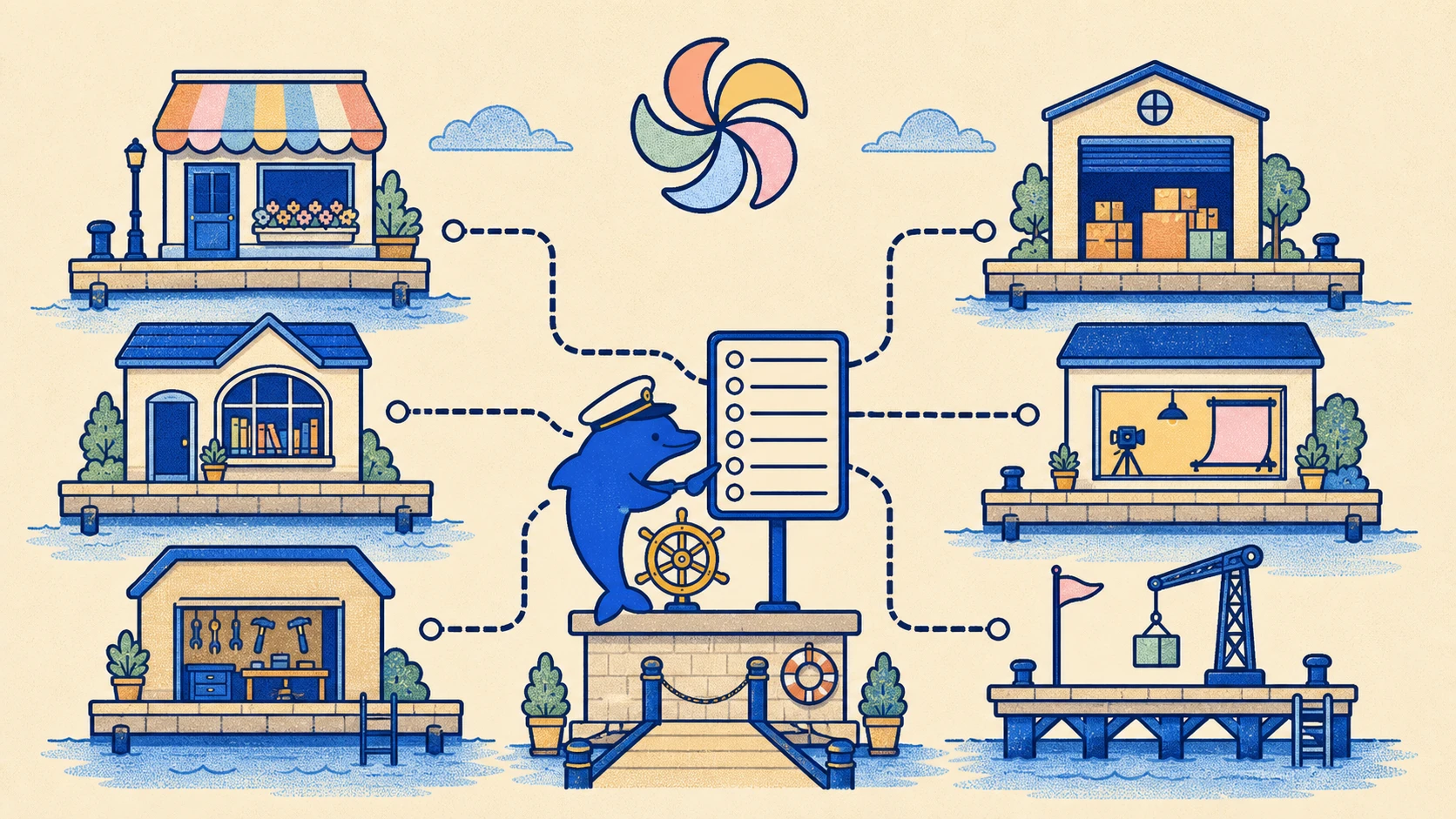
The Schmitdy dolphin reviews tools and evidence for AI Search

The buying decision

The tool is rarely the whole decision.

Measurement shows where a brand appears, which sources support the answer and what changed. Someone still has to decide what matters, secure access, produce the work, get it reviewed, implement it and read the result back. Procurement becomes clearer when those responsibilities are written down before the fee is discussed.

Four routes

Which AI Search operating model fits your team?

Start with the work your team can genuinely own every week. A strong monitoring platform can sit underneath any of the other three routes.

01

Monitoring tool

Measures answers, mentions, sources and movement. Your team owns interpretation and implementation.

Better fit when
You already have capable SEO, content, PR and engineering operators, and want independent prompt-level evidence.
Poor fit when
The dashboard will create a backlog nobody has time or authority to ship.
02

Internal operator

One accountable person coordinates measurement, priorities, approvals and delivery across your existing team.

Better fit when
AI Search is strategically important enough to justify internal capacity and you want knowledge to stay close to the business.
Poor fit when
The role is expected to deliver without production support, source access or decision rights.
03

Conventional agency

A human service team supplies specialist strategy and agreed deliverables through a project or retainer.

Better fit when
You need high-touch human craft, stakeholder management or a defined campaign with clear handoffs.
Poor fit when
You need daily iteration but the engagement is organized around monthly presentations and queued requests.
04

Schmitdy agent-run service

Agents handle repeated research and production. Expert human operators review the claims, priorities and work before it ships.

Better fit when
You need ongoing measurement plus implementation, can provide access and approvals, and want the operating layer and Company Brain to remain yours.
Poor fit when
You want monitoring only, cannot approve work, or expect a guaranteed recommendation from an AI engine.

Procurement matrix

What should procurement compare before signing?

The useful comparison is not a feature count. It is who is responsible, what evidence you can inspect and how easily the work can continue without the supplier.

Procurement checkMonitoring toolInternal operatorConventional agencySchmitdy agent-run service
ResponsibilityProvides measurement and workflow. Your team owns decisions and delivery.Owns the program internally and coordinates other teams.Owns the contracted strategy and deliverables. Client approvals remain external dependencies.Owns accepted research, production, verification and reporting tasks. Your team owns facts, access and approvals.
EvidencePrompt-level answers, mentions, citations and trend data, subject to platform coverage.The evidence standard depends on the operator and systems you give them.Usually reports, work files and campaign records defined in scope.Versioned question set, sampled answers, source gaps, work receipts and verified implementation evidence.
AccessPlatform login plus any exports or integrations you configure.Internal system access and authority to coordinate teams.Access agreed per deliverable, often through agency tools and shared client systems.Only the access needed for agreed work, with publication and send controls kept explicit.
OwnershipYou own your account and exports under the vendor contract. The vendor owns the product.Knowledge, accounts and working files remain inside your company.Varies by contract. Confirm source files, accounts, research and reuse rights.Your Company Brain runs on infrastructure you own and remains yours when the engagement ends. Public accounts and client assets stay with you.
ReviewYour team reviews analysis and every downstream change.Internal stakeholders review through your normal governance.Human agency review is normally part of the service, with client approval defined in scope.Agents do repeated work. Expert human operators assess claims, assets and placements before shipping. Your approval gates remain in force.
ImplementationNot included unless you buy services or build an internal workflow around the tool.Delivered by the operator and supporting internal specialists.Delivered to the boundaries in the statement of work. Technical changes may still depend on your team.Included for accepted work across owned pages, technical fixes, content, outreach preparation, community work and measurement.
ReportingProduct dashboards and exports, often strongest for visibility and source data.Can connect visibility to internal analytics and CRM if the operator has access and time.Cadence and metrics follow the retainer or project scope.Separates sampled visibility, citations, identifiable visits and qualified inquiries. Missing data stays unavailable, never zero.
Commercial modelSoftware license. Compare coverage, seats, limits and export rights in the actual quote.Salary, hiring time and the supporting team required to act.Project or retainer. Compare scope, change control, subcontracting and handover in the actual proposal.Managed AI Search starts at $1,650 per 30-day month. Half the fee is invoiced to start. Meeting either written monthly goal earns the second half.
Exit conditionExport the history you need and replace the monitoring layer if required.Document the operating method, credentials, question set and open work before a role change.Require source files, access transfer, outstanding-work status and a clear end-of-contract handover.Rolling monthly with 30 days' written notice. You keep the Company Brain. Confirm final access, work status and measurement window at handover.

Evidence standard

What evidence should every route produce?

Whatever you buy, keep the measurement frame and delivery record inspectable. A polished score without the underlying questions, dates and valid answer count is not enough to manage the work.

A harbourmaster reviews daily signals and sources
01

Question set

The exact buyer questions, markets, languages and engines being checked, with changes versioned.

02

Answer and source record

The sampled answers, dates, brand mentions, visible citations and unavailable runs behind the summary.

03

Implementation proof

What changed, where it changed, who approved it and whether the final destination was verified.

04

Commercial path

Identifiable visits, audit requests, booked conversations and qualified opportunities kept separate from visibility.

Access and ownership

What access and ownership terms should be explicit?

Write down who controls each account, who can publish or send, where source files live, what leaves the supplier at exit and which systems are only observed. Access should be proportional to the work. A broad login is not a substitute for a clear responsibility boundary.

  • Named system owner and approved users
  • Read-only versus write access per platform
  • Publication, outreach and community approval gates
  • Data retention, privacy and subprocessors
  • Export format, source files and credential transfer
  • Final measurement window and unfinished-work ledger
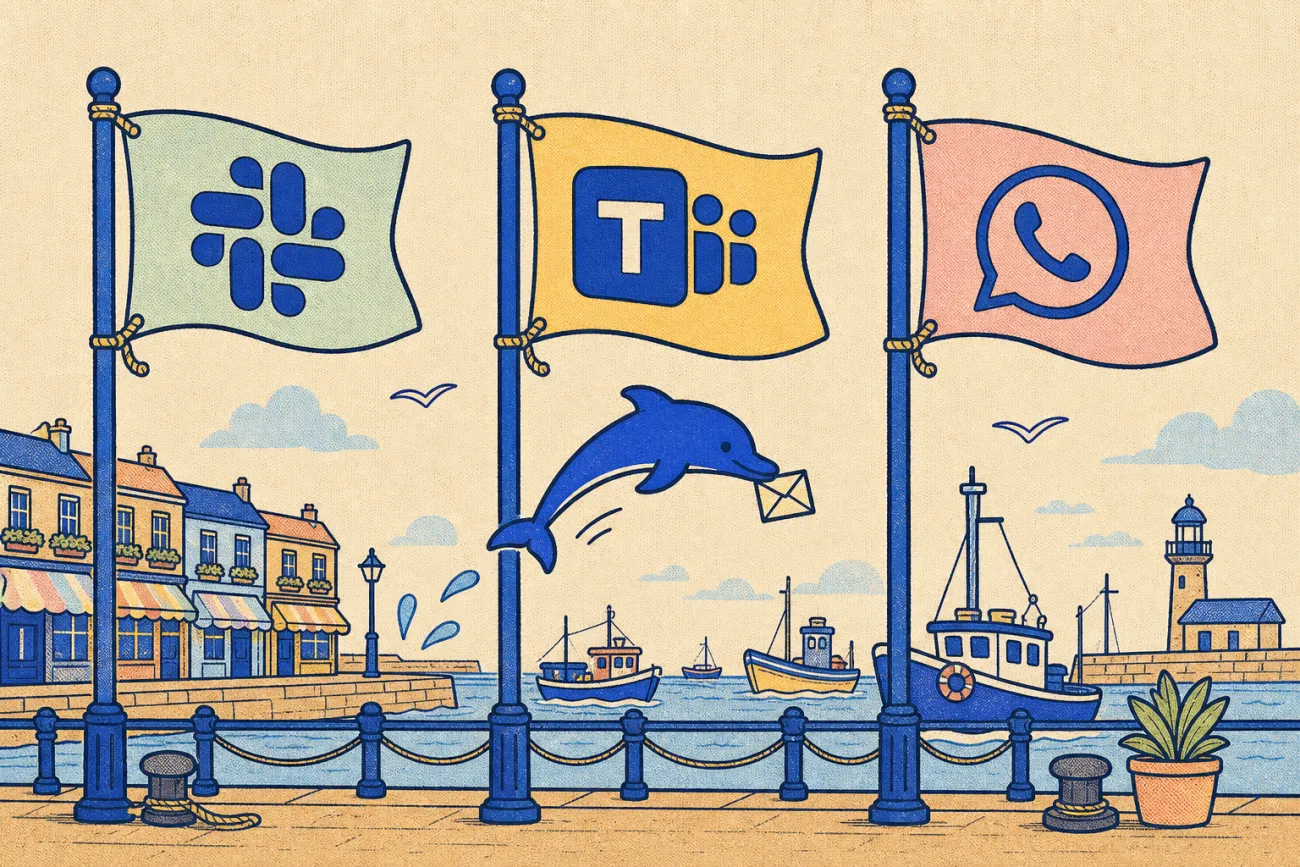
The Schmitdy dolphin connects approved platform access

Review and implementation

How should review and implementation work?

Separate analysis, draft, approved work and verified implementation. This prevents a recommendation deck from being mistaken for a shipped result, and it prevents an automated draft from bypassing the people who own the facts and brand.

  1. 01

    Research

    Capture the prompt, answer, source and business relevance.

  2. 02

    Decide

    Choose a response with an owner, evidence standard and destination.

  3. 03

    Review

    Check facts, brand, legal or community constraints and technical risk.

  4. 04

    Implement

    Publish or change only through the approved access route.

  5. 05

    Read back

    Verify the final destination, then measure the next complete period.

A page is reviewed, improved and checked again

Reporting

What should reporting distinguish?

Visibility is not revenue. A useful report shows exposure, identifiable engagement, intent and qualification as separate layers. Search Console, analytics, booking and CRM data may not all be available. When a source is missing, the result remains unavailable.

A signal station connects measurement with commercial outcomes

Detailed checks

Use the detailed pages for the final checks.

This hub joins the decision together. The linked pages hold current terms, implementation detail and proof. The earlier editorial article is a point of view, not procurement evidence; use actual supplier quotes for price comparisons.

Shortlist

Which route should you shortlist?

Choose a tool first if

  • You need independent measurement before changing the operating model
  • Your existing team can interpret and implement the findings
  • Prompt coverage, exports and source transparency matter more than extra production capacity

Shortlist an execution route if

  • The current backlog already exceeds internal capacity
  • Several teams own different parts of the source and implementation path
  • You need verified work, not another diagnosis
  • You want one accountable operating rhythm from question to readback

FAQ

Questions procurement teams ask before choosing

Do we still need a monitoring tool with an operator, agency or Schmitdy?
Usually yes. Measurement and execution are complementary. Confirm whether the service includes a platform, works with your existing one or provides an equivalent prompt-level evidence trail.
Is the cheapest route a monitoring tool?
A software license may have the lowest visible fee, but procurement should include the internal time needed to interpret and implement the work. Compare the full operating model using actual quotes, not an invented market average.
Can any route guarantee that ChatGPT recommends us?
No. A supplier can control its research, work and verification. AI engines control their answers, and results vary by question, market, language, timing and engine.
What does Schmitdy cost today?
Managed AI Search starts at $1,650 per 30-day month. Half the fee is invoiced to start. Meeting either written monthly goal earns the second half. Current details and exclusions are on the pricing and managed-service pages.
What happens to our data and work when we leave Schmitdy?
The Company Brain runs on infrastructure you own and remains yours. The engagement is rolling monthly with 30 days' written notice. Final access, outstanding work and the closing measurement window should be confirmed in the handover.
Where should we start if the right route is unclear?
Use the free AI Search audit to establish the buyer questions, visible gaps and smallest useful next step. Requesting the audit does not start paid work or guarantee acceptance.

Your systems

Keep the platform. Make the responsibility boundary clear.

Schmitdy works with the website and business systems already in place. Access, approval and implementation responsibility are agreed before work starts.

Review platform capabilities
SquarespaceVercelWebflowSanityShopifyHubSpot

Free starting point

Bring the messy procurement question.

Start with the free audit if you need a grounded view of the gap before choosing a tool, building internally or hiring an execution partner.

Request the free AI Search audit