Restaurant & Bar AI Search
A diner asks ChatGPT, Gemini, Perplexity, Claude, or Google where to eat, what to order, or which bar fits the night. We improve the pages, menu, reviews, stories, and outside proof that give your restaurant a stronger chance of earning a place in that answer, then keep the work moving with you in WhatsApp.
Want a human view first? Book the free 20-minute Restaurant AI Visibility Audit.
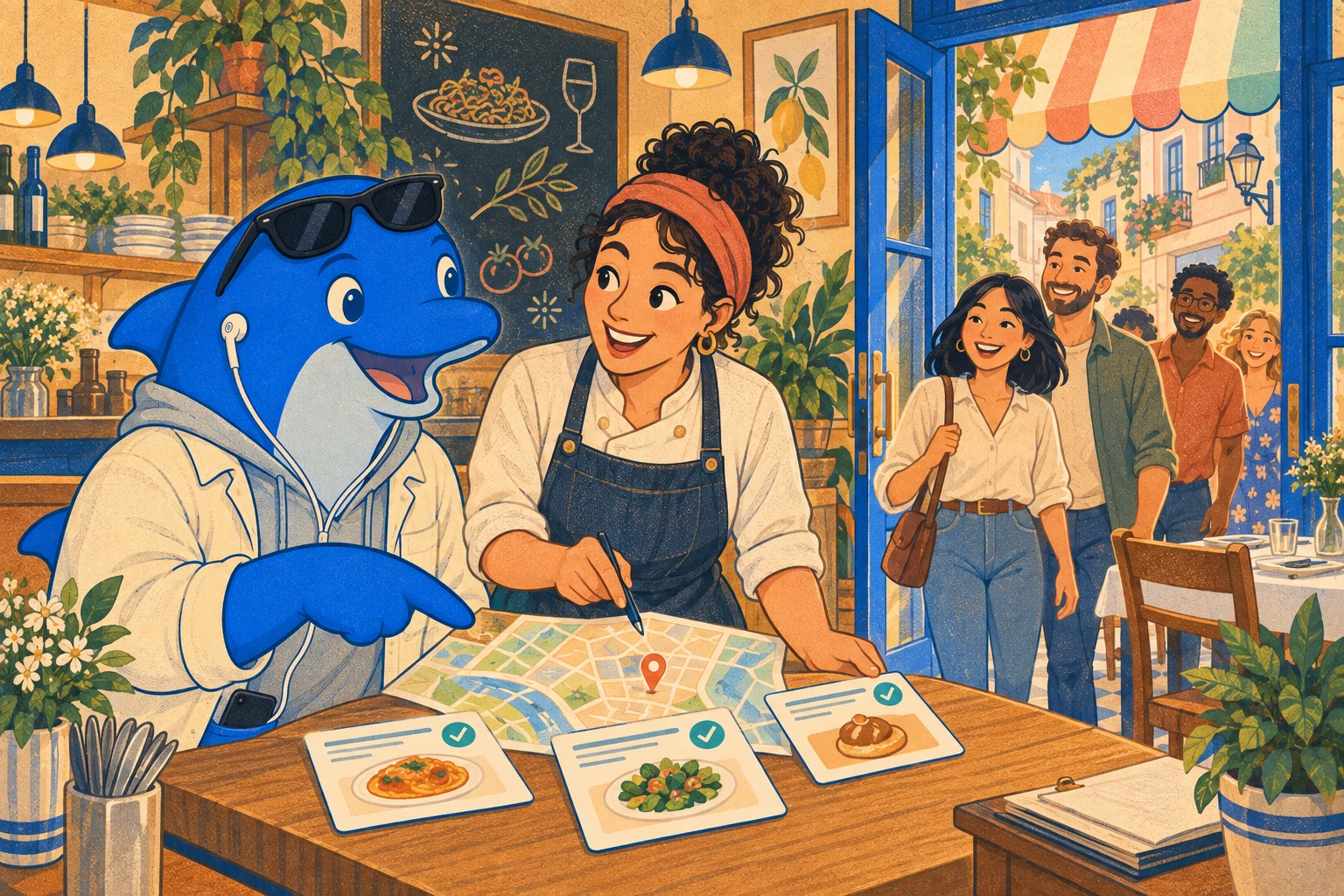
The shift
There may be no map scroll, ten blue links, or second chance. The answer is shaped by your own website and menu, but also by reviews, local guides, editorial coverage, videos, and real conversations. We work across the whole picture, measure what changes, and keep shipping the next best move.
Included, at no extra charge
Most restaurant retainers write content around a website that machines cannot read. The menu is a PDF, there is nowhere to publish, and the build that would fix it comes back as a separate quote. We do that work as part of the monthly fee, for every venue.
The big one
A PDF hides the only text on your website that names what you actually cook. We rebuild every menu as a real page and keep it current. Your designer still gets a print file, generated from the same source, so nothing is maintained twice.
Want a quick first pass before a rebuild? Use the free restaurant menu page checker to review readable dishes, prices, menu links and location ownership.
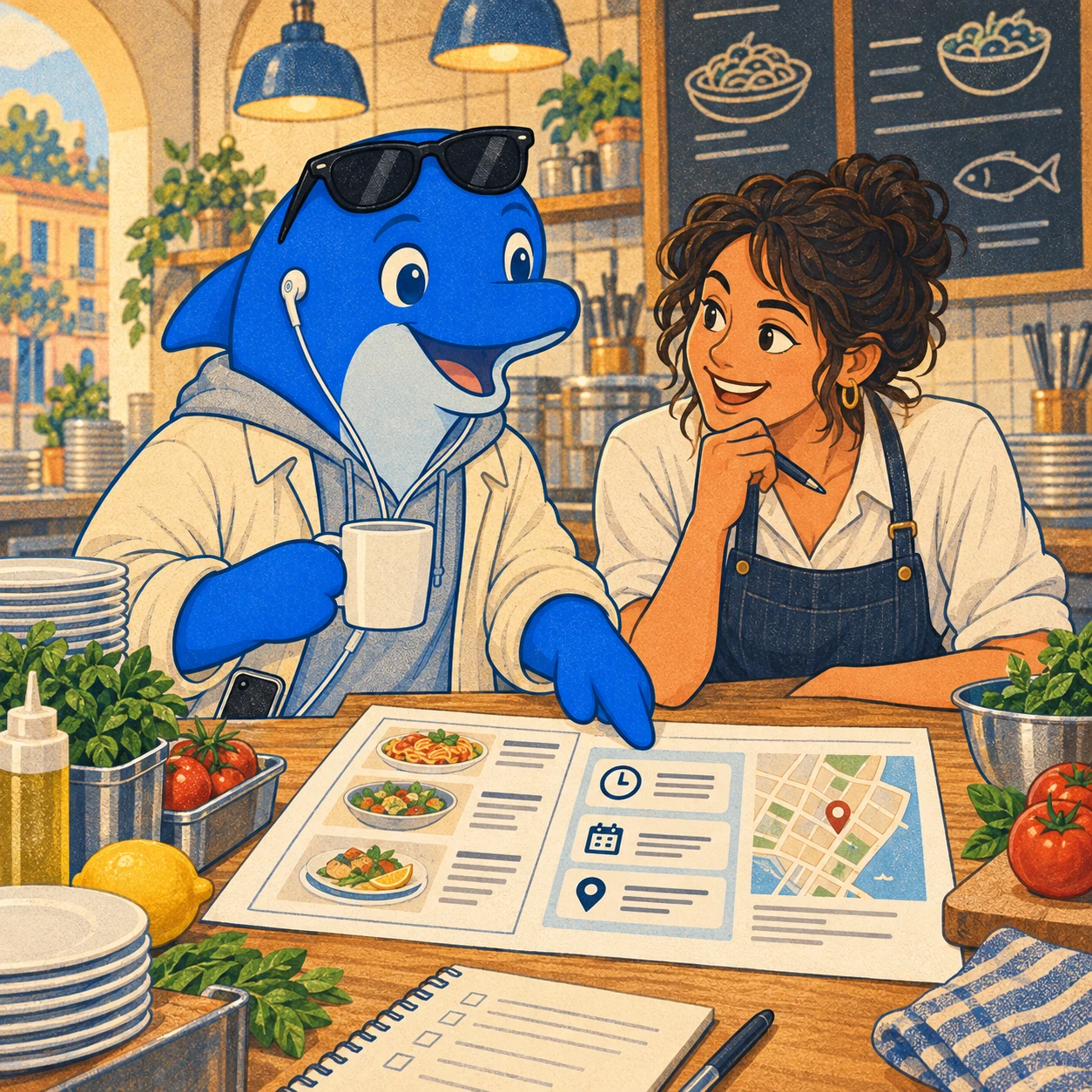

The daily loop
We track the restaurant questions that can turn into covers, private dining inquiries, event bookings, and group demand. When an answer, source, or competitor moves, we can act while it still matters.
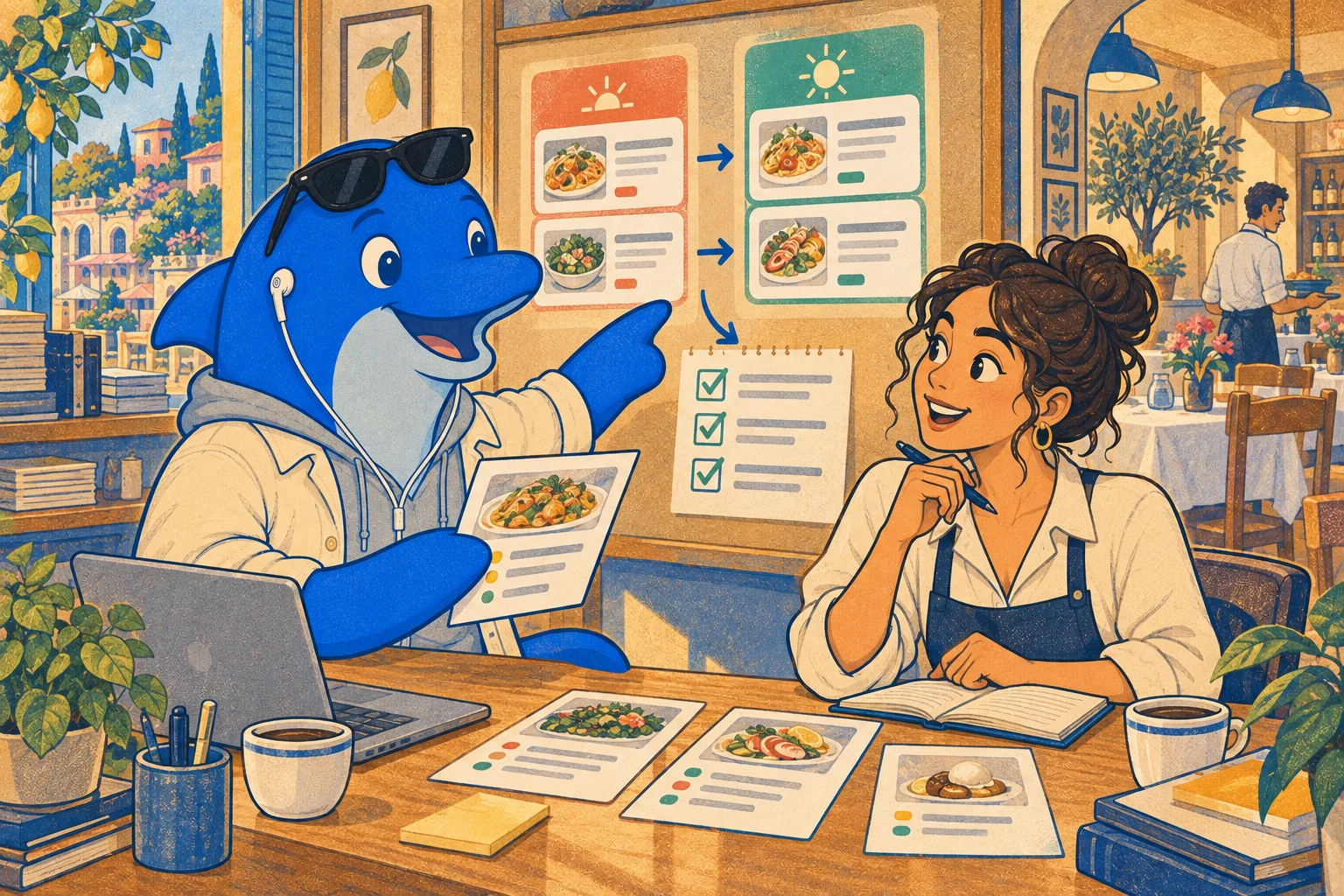
For a group, check the public booking paths across your locations for broken links, branch mix-ups and missing steps.
You see the plan, the work, and the result in WhatsApp. No status deck required.
The four pillars
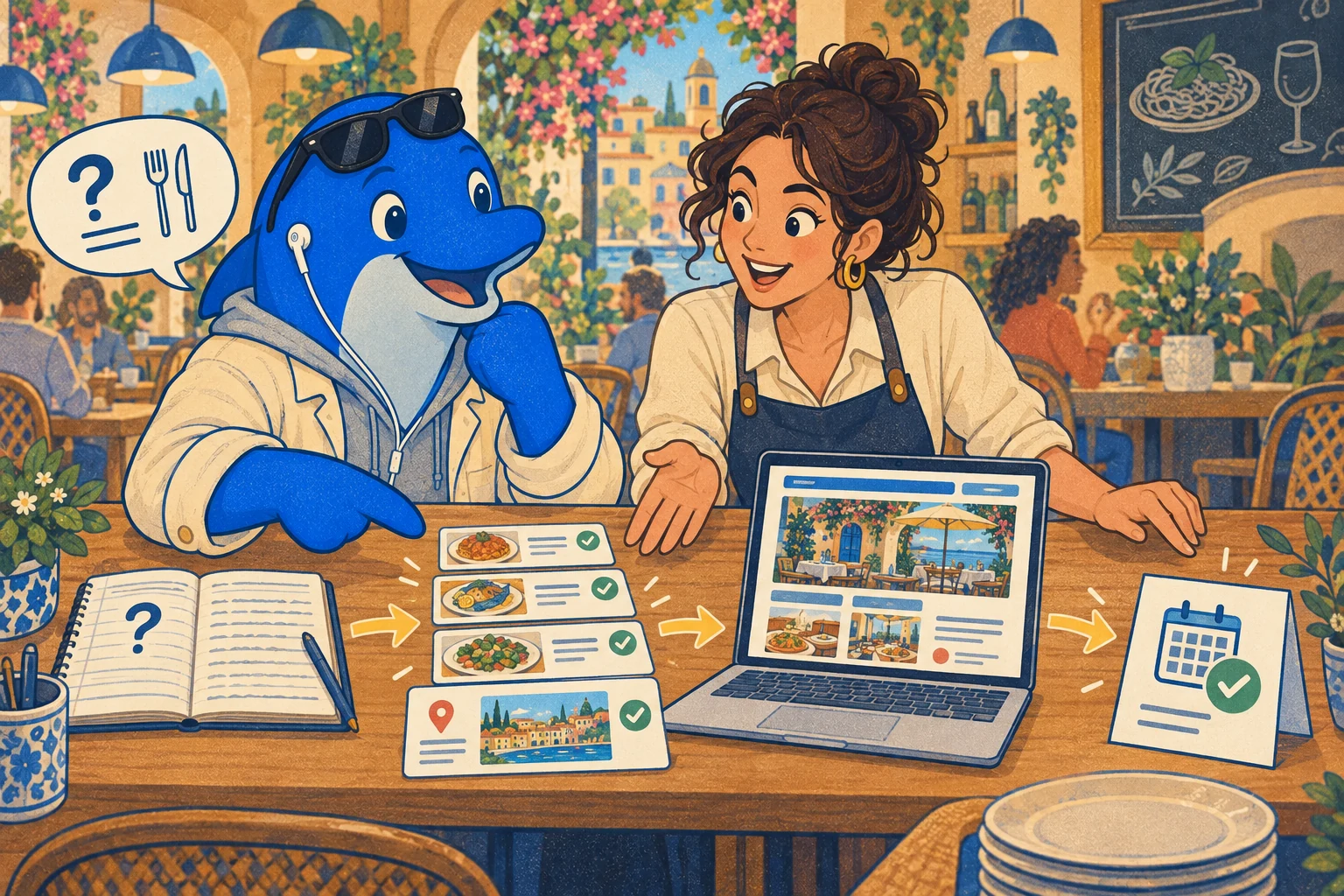
The real questions people ask before choosing where to eat or drink, ranked by likely value.
The restaurant pages, reviews, guides, videos, forums, and local voices shaping each answer.
Better menus, useful pages, strong stories, honest community answers, and editorial pitches that make it out the door.
See what is moving, approve what matters, and ask for changes in the channel you already use.
 WhatsApp
What we actually ship
The daily read sets the priority. Experienced people check every claim, page, design, and pitch before it goes live.
We improve the pages closest to a booking, including the details diners need to make a decision.
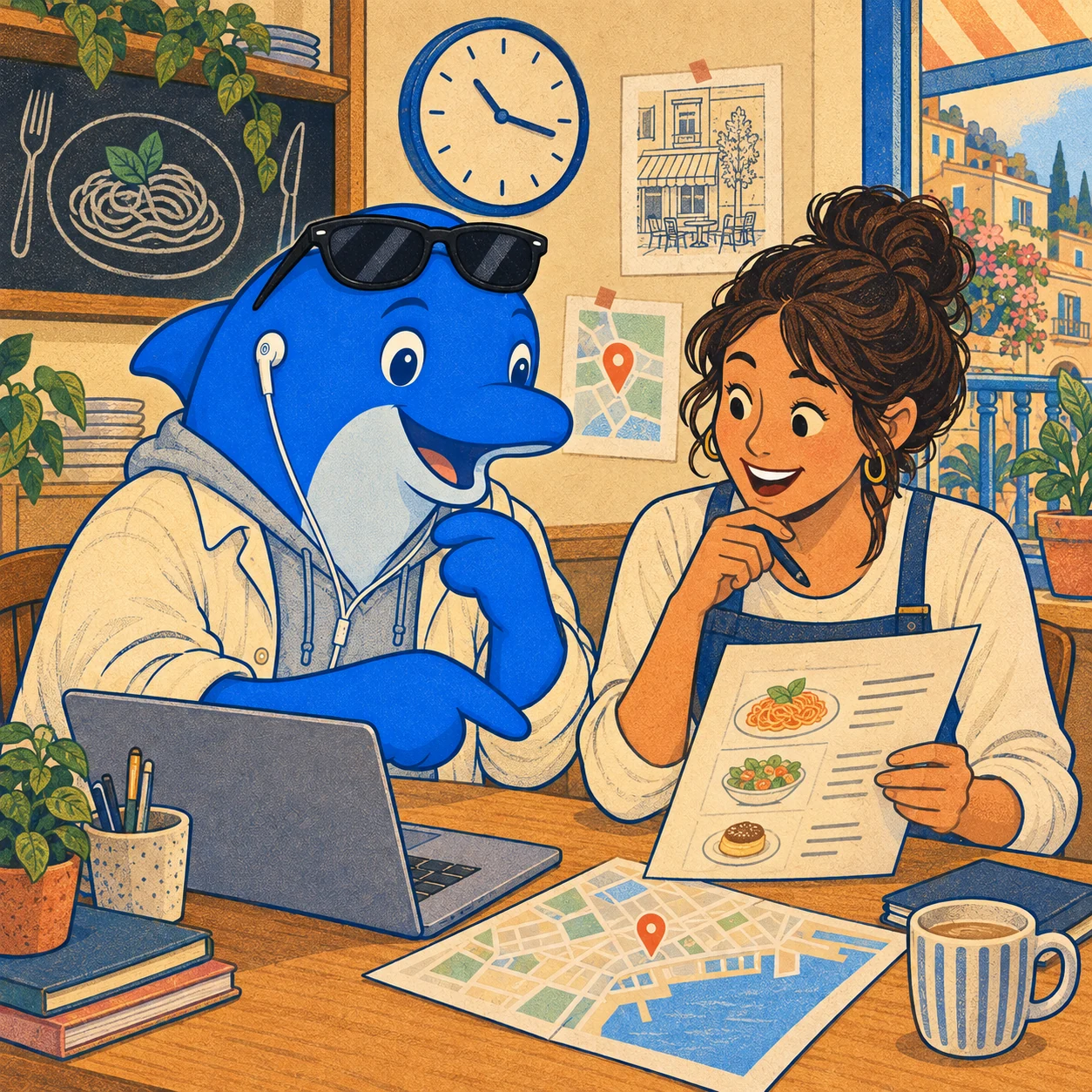
If the useful page is missing, we build it. If you do not have a blog, we build that too, at no extra charge.
WhatsApp
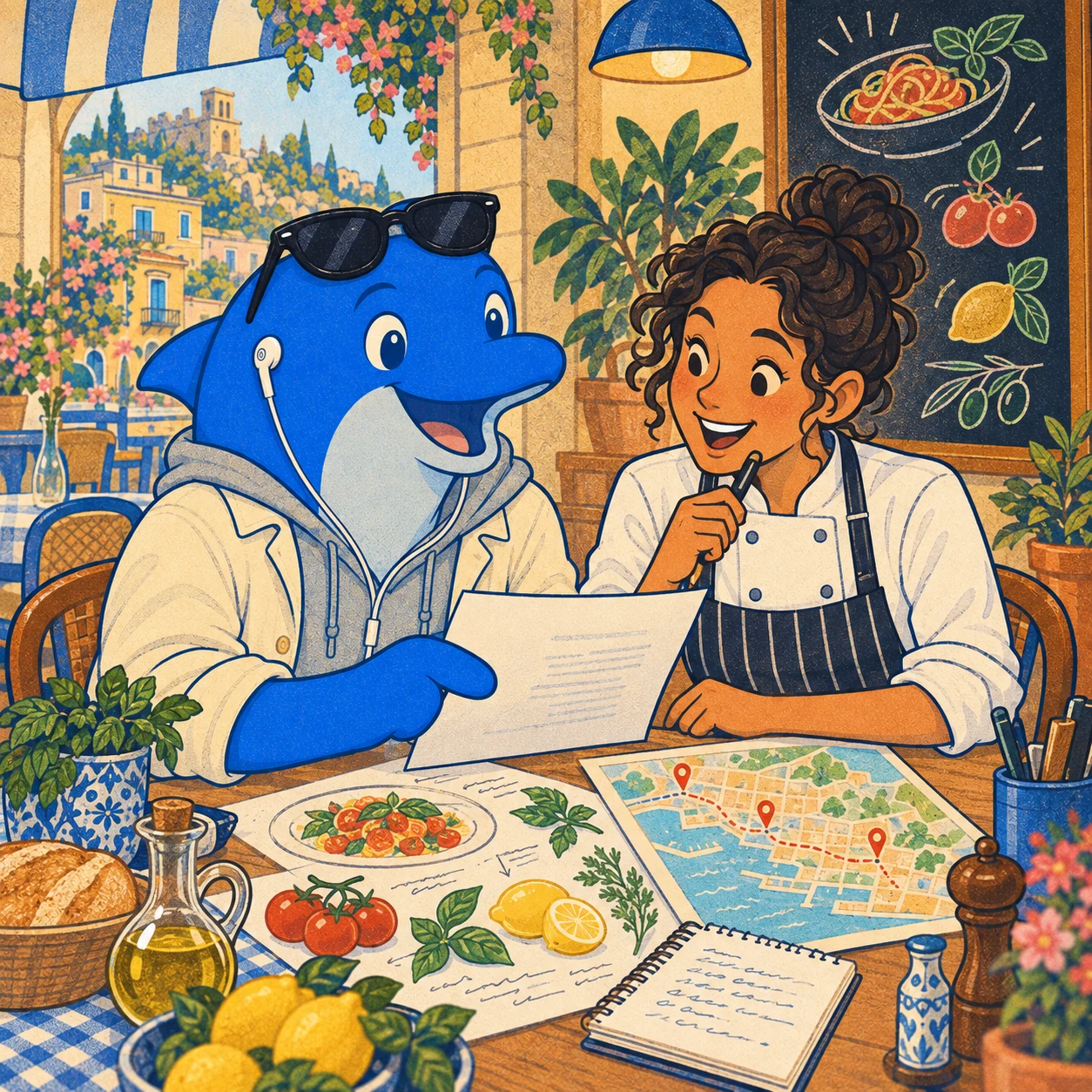
We help your restaurant contribute where people genuinely ask for recommendations. No fake diners, planted praise, or spam.
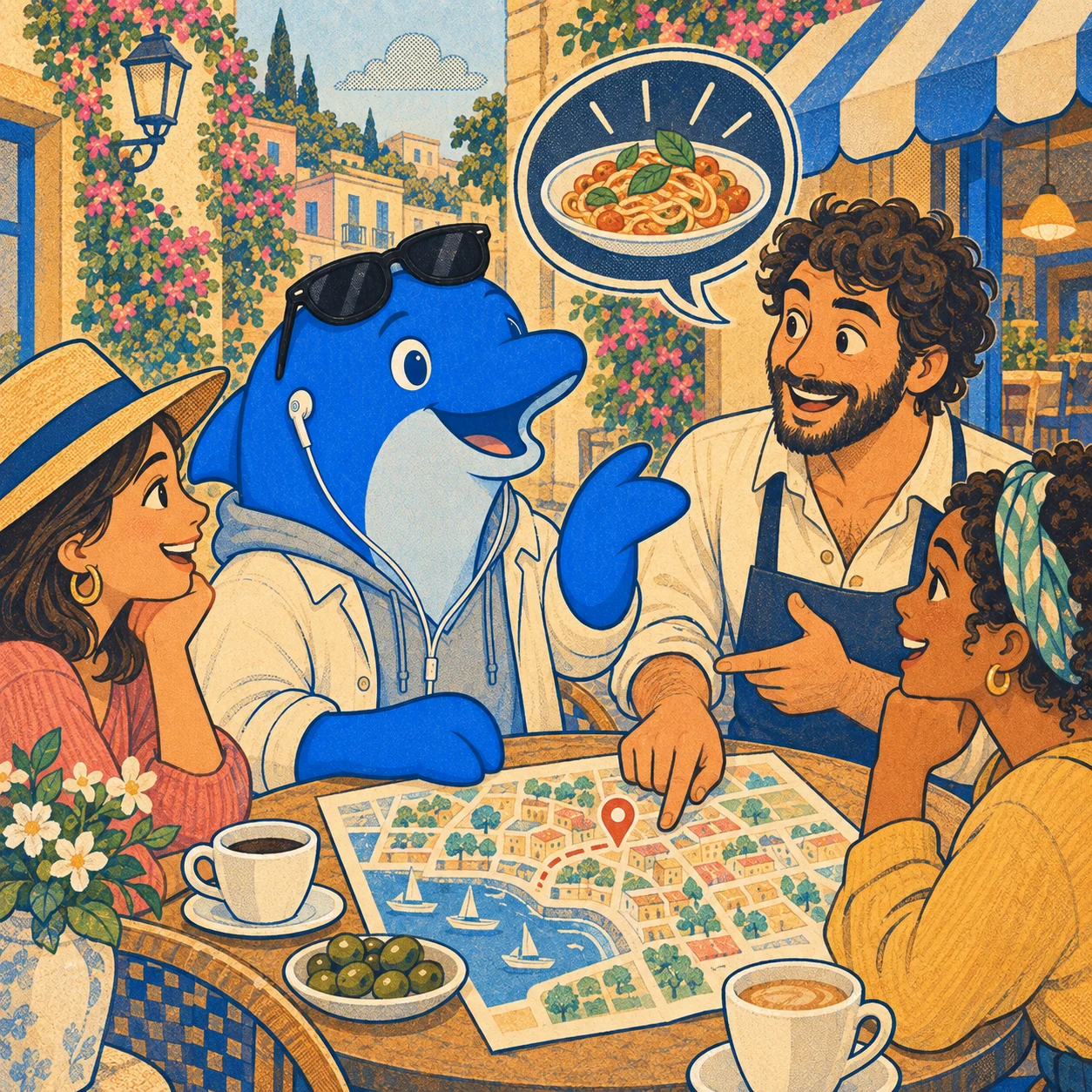
We build a story worth an editor's time, research the right person, and pitch it properly. Targets depend on the story, but can include Time Out, SquareMeal and Condé Nast Traveller in the UK, The Infatuation and Eater in New York, and tipBerlin, Falstaff or DER FEINSCHMECKER in Germany.
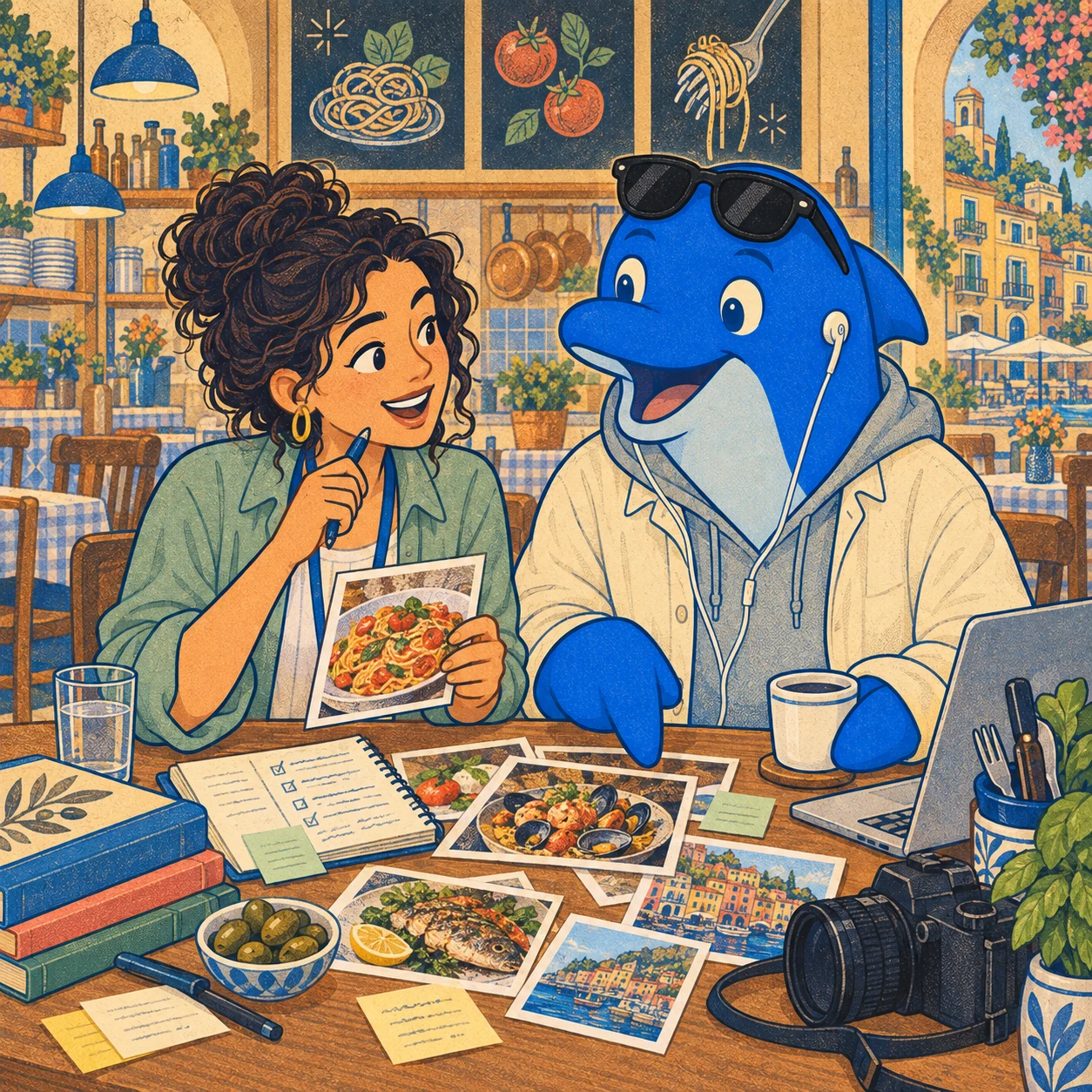
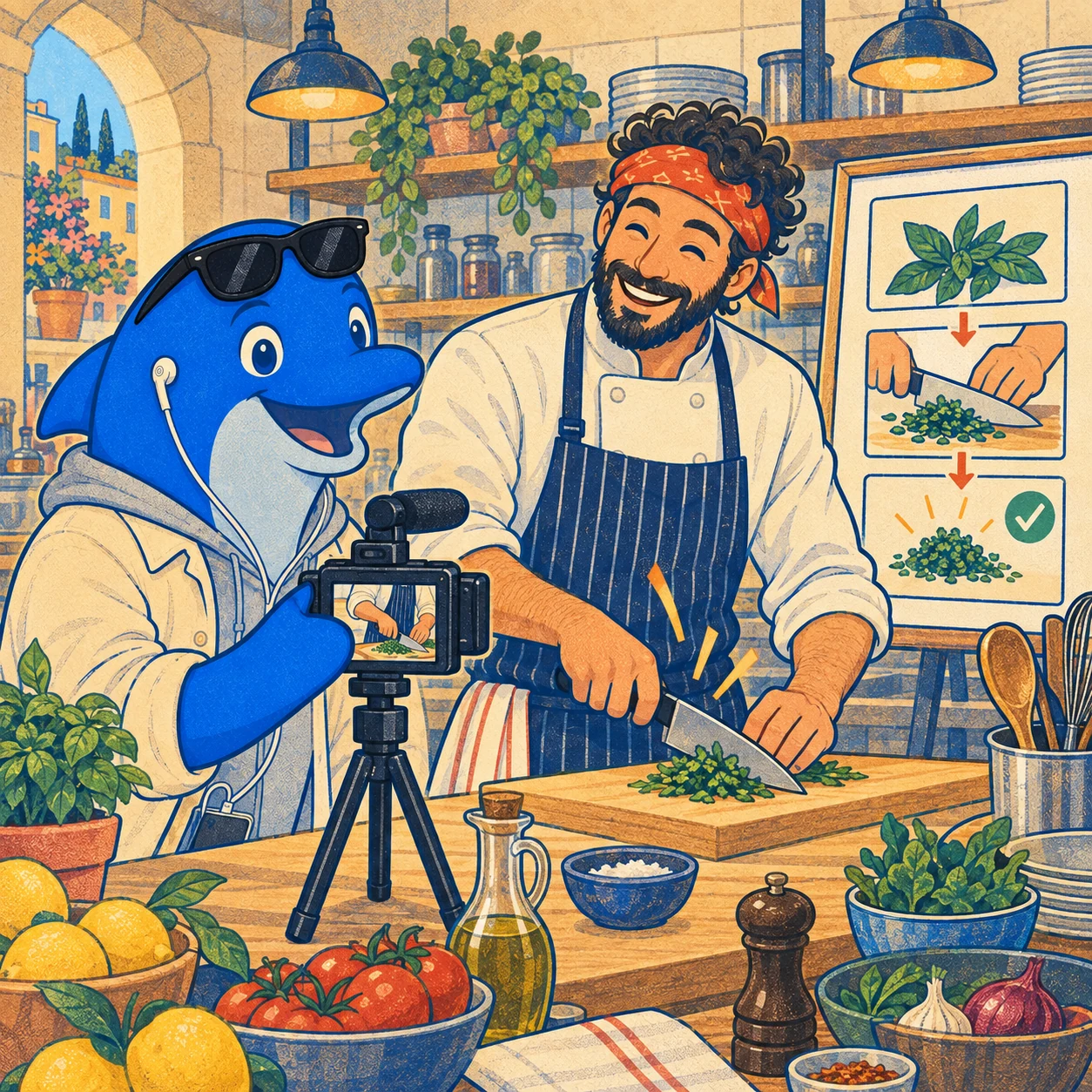
A good video can show the room, food, people, and experience more clearly than a paragraph. We turn useful diner questions into honest, searchable proof.

Works with you in
See what we found, what is going live, and what changed. Reply with a voice note, photo, menu, question, or approval. We keep the process moving without adding another meeting.
WhatsApp
What's included
Who it's for
FAQ
Works with your website stack
 Squarespace
 Vercel
 Webflow
 Sanity
 Shopify
 HubSpot
Closing
We check the answers, choose the work, and ship it. You keep serving guests and see the whole thing move in WhatsApp.
Try it on your own restaurant
See which restaurants AI recommends for different dining occasions, or compare conflicting details across your public listings.
Opening another venue? Build a discovery plan around your opening date. Already welcoming guests? Find the reasons they choose you that your website could explain better.